
How Can A Dog Trainer Help with Aggressive Behavior?
How Can A Dog Trainer Help with Aggressive Behavior: Expert Advice for Dog Owners
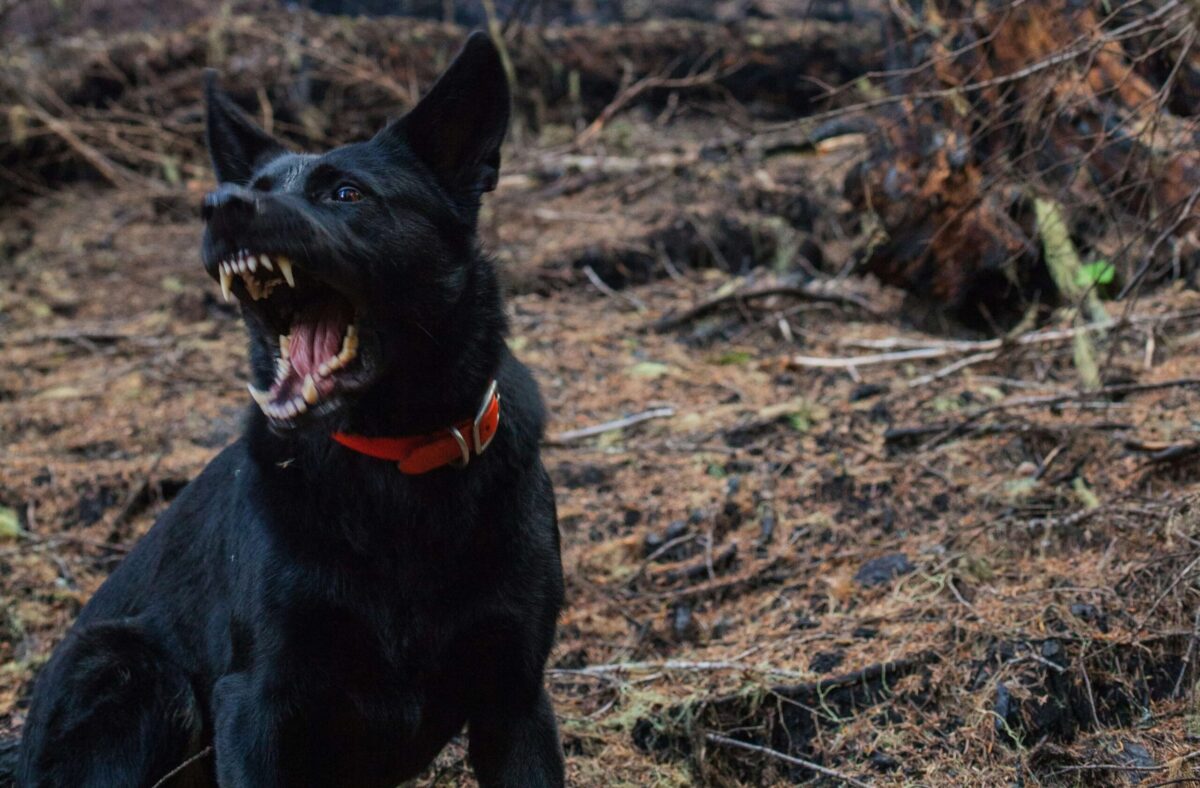
In the U.S., more than a million people are bitten by dogs each year, with many of these incidents caused by aggressive behavior. If your dog growls, lunges, or snaps, you may be wondering: how can a dog trainer help with aggressive behavior?
Dog aggression can stem from fear, territorial instincts, or past trauma. Left unchecked, it can become dangerous for both the dog and those around them. Early intervention is key to preventing serious incidents and ensuring a safe, happy home.
A professional dog trainer can assess the root cause of aggression and use proven techniques to help your dog stay calm and responsive. With the right training, even aggressive dogs can learn better behavior.
In this post, we’ll explore how expert trainers work with aggressive dogs, what methods they use, and how you can take the first step toward a well-behaved companion.
Understanding the Roots of Dog Aggression
Aggressive behavior in dogs doesn’t happen without reason. It’s often a response to fear, frustration, or past experiences. Understanding why a dog acts aggressively is the first step toward finding the right solution. Instead of punishing aggression, it’s important to identify the root cause and address it with patience and proper training.
Common Causes
Dogs may become aggressive for many reasons:
- Fear and anxiety – Many dogs exhibit aggression when they feel scared or anxious. This can manifest in various ways, such as fear of strangers, noises (thunder, fireworks), new environments, or even unexpected movements.
- Lack of socialization and training – Inadequate early socialization and training can leave dogs unprepared to navigate social situations. This can lead to fear, anxiety, and ultimately, aggression towards other dogs, people, or even objects.
- Resource guarding – This is a common issue where dogs become possessive over their resources, which can include food, toys, chews, bedding, or even their owners’ attention.
- Territorial aggression – Some dogs may exhibit aggression when they feel the need to protect their territory, which can include their home, yard, or even their owner.
- Pain and medical conditions – Underlying medical conditions like pain, discomfort, or cognitive dysfunction can sometimes manifest as aggressive behavior.
- Lack of exercise and mental stimulation – Boredom and pent-up energy can lead to frustration and anxiety, which can increase the likelihood of aggressive displays.
- Past trauma or abuse – Dogs that have experienced past trauma or abuse often develop deep-seated fear and distrust, which can lead to aggressive behavior. If a dog was previously mistreated, they may see humans or other animals as a threat, even when no harm is intended.
- Frustration or redirected aggression – A dog that can’t reach something it wants may redirect its frustration onto a person or another animal.
It’s crucial to emphasize that these are just a few possible causes of dog aggression. Each dog is different, and the reasons behind their aggressive behavior can be complex and multifaceted.
How Can A Trainer Help thru Dog Training
Dealing with an aggressive dog is overwhelming, but you don’t have to do it alone. A professional dog trainer can assess your dog’s behavior, identify the root cause, and use proven techniques to help them become calmer and more controlled. With the right approach, even aggressive dogs can learn better ways to respond to stress and triggers.
Comprehensive Behavior Assessment
The journey begins with a thorough assessment to understand why your dog is acting aggressively. The trainer will:
- Observe your dog in various situations – This involves observing your dog in your home, at a park, or in other relevant environments to understand their behavior in different contexts.
- Gather detailed information from you – Be prepared to share your dog’s history, including their breed, age, and any previous training or behavioral issues. The trainer will also want to know about specific triggers for your dog’s aggression, such as other dogs, strangers, or certain situations.
- Rule out any underlying medical conditions – Aggression can sometimes be a symptom of an underlying health problem. The trainer may recommend a veterinary check-up to rule out any medical causes.
Tailored Training Plans
Based on the assessment, the trainer will develop a customized training plan specifically designed for your dog’s needs. This plan may include:
- Counter-conditioning and desensitization – This involves gradually and safely exposing your dog to their triggers while pairing them with positive experiences. For example, if your dog is afraid of other dogs, the trainer might introduce them to other dogs at a distance, gradually decreasing the distance as your dog remains calm.
- Positive reinforcement training – This focuses on rewarding desired behaviors, such as calm behavior around triggers, and ignoring or redirecting unwanted behaviors.
- Socialization – The trainer can guide you through controlled and safe introductions to other dogs and people, helping your dog learn to interact appropriately.
- Exercise and mental stimulation – Providing ample opportunities for physical and mental exercise, such as walks, playtime, and puzzle toys, can help reduce stress and anxiety.
- Resource guarding training – If resource guarding is an issue, the trainer can teach your dog to share resources without aggression.
Communication and Support
Training an aggressive dog takes time and consistency. A good trainer doesn’t just work with the dog — they also support and educate the owner by:
- Providing ongoing guidance to ensure training techniques are followed correctly at home.
- Addressing concerns and answering questions to build the owner’s confidence in handling their dog.
- Offering follow-up sessions if needed to track progress and make adjustments.
With patience, dedication, and the guidance of a qualified trainer, you can effectively address your dog’s aggression and create a more harmonious relationship with your furry companion.
When to Seek Professional Trainer’s Help
Aggressive behavior in dogs is not something to ignore or hope will go away on its own. If left unaddressed, it can escalate and put both your dog and others at risk.
Recognizing the warning signs early and seeking help from a professional trainer can prevent dangerous situations and improve your dog’s quality of life.
Consequences of Ignoring Aggressive Dog Behavior
Ignoring aggressive behavior in dogs can have serious consequences, including:
- Unchecked aggression can escalate, leading to bites and injuries to family members, guests, other pets, and even strangers.
- In severe cases, aggressive behavior can unfortunately lead to dogs being rehomed or, in extreme circumstances, euthanized.
- Living with a dog exhibiting aggressive behavior can create a stressful and anxious environment for everyone in the household.
- If aggression isn’t addressed, the bond between you and your dog may suffer.
Remember, seeking professional help early on is crucial. It can prevent the situation from worsening and help you and your dog live a happier, safer, and more fulfilling life together.
Signs to Get Professional Help
These are the signs it’s time to seek professional help for your dog:
- Any level of biting even minor nipping or snapping
- Frequent growling, snarling, or lunging especially if these behaviors occur regularly
- Aggression out of fear, e.g., fear of strangers, noises, new environments
- Resource guarding, i.e., becoming possessive over food, toys, or other resources
- Exhibits aggressive behavior towards people or animals entering their perceived territory
- Lack of progress with at-home training or not yielding positive results
- Becomes aggressive without warning
- Aggressive behavior is getting worse over time
Disclaimer: This information is for general guidance only and should not be considered a substitute for professional advice from a qualified dog trainer or veterinarian.
Note: This content is for informational purposes only and does not constitute professional veterinary or training advice. Always consult with a qualified veterinarian or certified dog trainer for any concerns regarding your dog’s behavior.
Choosing the Right Trainer for Your Dog’s Needs
When dealing with dog aggression, choosing a professional dog trainer that specializes in behavioral issues is critical. A skilled trainer can help your dog feel safe, build confidence, and learn better behaviors.
The wrong approach, however, can make aggression worse. That’s why it’s important to find a trainer with the right experience, methods, and understanding.
Here’s a checklist for choosing the right trainer:
- Credentials – Look for trainers with certifications from organizations like the Certification Council for Professional Dog Trainers (CCPDT) or the International Association of Animal Behavior Consultants (IAABC).
- Experience – Inquire about the trainer’s experience in handling aggression cases. How many cases have they successfully addressed? Do they specialize in aggression issues?
- Training philosophy – Choose a trainer who emphasizes positive reinforcement methods.
- Focus on the individual dog – The best trainers tailor their approach to your dog’s specific needs and personality.
- Communication – The trainer should be able to clearly explain their training methods and answer your questions thoroughly.
- Ongoing client support – Look for a trainer who provides ongoing support and guidance throughout the training process.
- Client testimonials – Read reviews and testimonials from other clients who have worked with the trainer. This can give you valuable insights into their experience and the trainer’s effectiveness.
Making the Right Choice
With the checklist above, take the time to do your research. Schedule a consultation with potential trainers to discuss your dog’s specific challenges and get a feel for their approach.
As much as possible, observe a training session with other dogs to see the trainer’s methods in action. Ultimately, you need to feel comfortable and confident in your chosen trainer.
Your dog’s safety and progress depend on finding a trainer who understands their behavior and can guide them toward a calmer, more balanced life. The right trainer can make all the difference in transforming your dog’s aggression into trust and confidence.
Take the First Step: How a Dog Trainer Can Make a Difference
Aggressive behavior in dogs doesn’t go away on its own—it often gets worse over time. The sooner you take action, the easier it is to manage and correct the behavior.
Early intervention can prevent dangerous situations and help your dog feel more secure and confident. A professional trainer can provide the right guidance, ensuring your dog learns positive behaviors before aggression becomes a bigger issue.
Proactive measures are vital in preventing aggression from developing in the first place. Early socialization helps prevent aggression by helping develop your dog’s confidence and social skills. Consistent training also helps prevent aggression. Train your pup early, as early as 4 months of age, to build a strong foundation for good behavior.
If you’re concerned about your dog’s aggressive behavior, don’t hesitate to reach out for help.
Visit our blog for insightful articles on dog training, behavior, and more. You’ll find valuable information to help you better understand your dog’s needs.
Contact us today if you need personalized training plans or support. We offer specialized programs to help dogs overcome aggression and build a stronger bond with their owners.
Your dog deserves a happy, balanced life!


